Fothergill Island
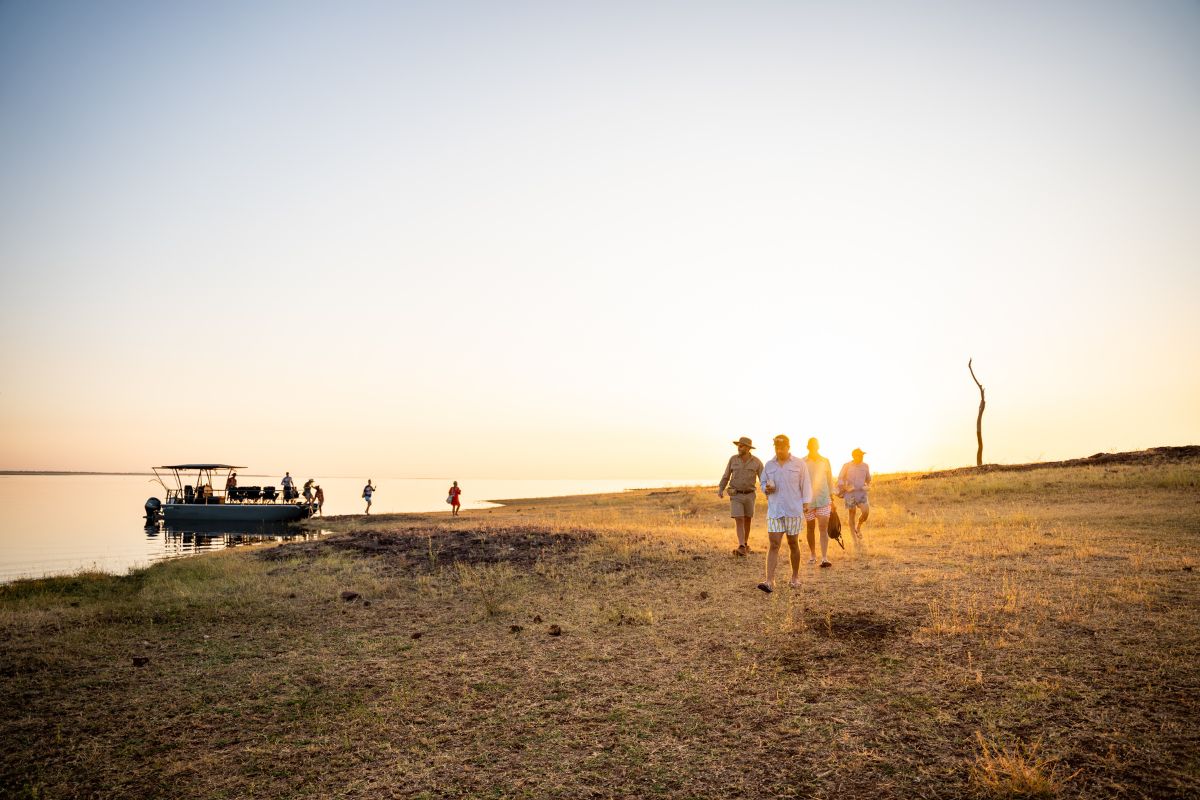
Imagine waking up to the gentle sounds of Lake Kariba, with the chance of elephants wandering along the shoreline before your first cup of coffee. A morning on the water might bring hippos, crocodiles and fish eagles into view, while an afternoon safari reveals a completely different side of the African wilderness. At Fothergill, in Zimbabwe’s Matusadona National Park, no two days need to look the same and that is all part of the magic.
But Fothergill is more than a beautiful place to escape to. It is a property with a remarkable history and a future closely tied to the protection of the surrounding wilderness.
The island’s story is linked to one of Africa’s most famous wildlife rescue operations. When the construction of Kariba Dam transformed the Zambezi Valley in the late 1950s and early 1960s, rising waters threatened thousands of wild animals. Operation Noah, led by game ranger Rupert Fothergill, saw wildlife wardens and rangers undertake an extraordinary rescue effort, saving thousands of animals from the rising waters. The property carries his name, reflecting a legacy of courage and commitment to wildlife.
Today, that conservation spirit continues in a new chapter. Matusadona National Park is managed through a partnership between African Parks and the Zimbabwe Parks and Wildlife Management Authority, working to restore wildlife populations, strengthen protection and build a sustainable future for the park. Fothergill supports these objectives through its conservation contributions and responsible operating practices.
And the setting certainly gives visitors plenty to appreciate. Matusadona’s varied habitats bring together lake, river, woodland and grassland ecosystems, supporting elephants, buffalo, lions, antelope and an extraordinary variety of birdlife. Guests can explore by vehicle, on foot or by boat, with fishing, sunset cruises and family adventures adding to the experience. Here, a safari is not confined to the tracks. The lake opens up an entirely different world.
Behind the scenes, Fothergill’s commitment extends to the people who make the experience possible. The property recruits and trains team members, offering apprenticeships and opportunities to develop practical skills, from hospitality and cookery to boating and other specialist roles. For many, this provides a pathway to a long-term career. Sustainability is also built into the camp itself, with solar power supplying approximately 95% of its energy requirements.
For travellers, this creates an opportunity to enjoy an exceptional safari while contributing to something meaningful. Guest stays support the people and operations that keep the property running, while conservation and park fees contribute to the wider framework protecting this remarkable landscape. Choosing a responsible safari destination helps sustain the value of wildlife and wild places, ensuring that conservation remains an investment in the future.
Of course, there is plenty of time simply to enjoy being there. From exhilarating game drives and tigerfish encounters to leisurely meals beside the lake and spectacular African sunsets, Fothergill combines adventure with the comfort of a thoughtfully designed retreat.
The real appeal is that these experiences are part of a bigger picture. Every visit offers a chance to discover a less-explored corner of Africa, connect with the people who call it their workplace and support the ongoing efforts to protect its natural heritage.
Come for the lake, the wildlife and the adventure. Leave with unforgettable memories and the satisfaction of knowing your stay has helped support the future of this extraordinary wilderness.